Calanthe vestita: Winter Bloom, Seasonal Rhythm & Personal Notes
Christian St-PierreCalanthe vestita: elegance without excess
Calanthe vestita is one of those orchids that doesn’t need to be rare or extravagant to make an impression. When it blooms, it does so with a quiet confidence: tall, upright flower spikes carrying pristine white flowers that feel both architectural and calm. There is nothing flashy here, and that’s exactly what makes it so striking.
What I personally appreciate about Calanthe vestita is its presence. It’s a terrestrial orchid, very different in behavior from the epiphytes I grow, and you feel that difference immediately. It grows with intention, builds energy slowly, and then releases it all at once in a generous, well-structured bloom.


In my collection, it feels grounded and seasonal. There’s a clear rhythm to its growth and flowering cycle, and once you respect that rhythm, the plant becomes remarkably reliable. It’s not an orchid that asks for constant attention, but it does ask to be grown in sync with its natural cycle.
The flowers themselves are elegant rather than dramatic, soft white, finely textured, and highlighted by a vivid magenta center that immediately draws the eye. This subtle contrast gives the blooms both clarity and depth. They bring a quiet sense of balance to the growing space, standing out gracefully without overpowering the plants around them.
Calanthe vestita doesn’t try to impress year-round. But when it decides it’s time to bloom, it does so with clarity and balance, reminding me that restraint, once again, is often the most powerful form of beauty.

Origin and history
Calanthe vestita originates from Southeast Asia, where it grows in forested regions of countries such as Thailand, Myanmar, Laos, Vietnam, southern China, and parts of the Malay Peninsula. Unlike many orchids in cultivation, it is a terrestrial species, growing directly in the ground rather than attached to trees.
In its natural habitat, Calanthe vestita is typically found on shaded forest floors, along slopes or near stream banks, where the soil is rich in organic matter and constantly renewed by decomposing leaves. These environments are humid but well-drained, protected from direct sun, and marked by clear seasonal rhythms.
The climate it experiences is warm and humid during the growing season, followed by a drier, cooler period during which the plant slows down or enters dormancy. This seasonal contrast is fundamental to its life cycle and explains much of its behavior in cultivation, especially its reliable flowering once the plant has completed a full growth phase.
Historically, Calanthe vestita was described during the 19th century, at a time when European botanists were actively documenting the rich orchid flora of tropical Asia. The genus Calanthe itself has long been appreciated for its terrestrial habit and ornamental value, and Calanthe vestita quickly became one of its most widely cultivated species due to its vigor, adaptability, and elegant blooms.
What I find particularly interesting is how clearly its structure reflects its origin: strong pseudobulbs adapted for storage, pleated leaves suited to shaded environments, and tall, upright inflorescences that rise above surrounding vegetation to attract pollinators.
Understanding where Calanthe vestita comes from has strongly influenced how I grow it. I don’t treat it like a “pot-grown epiphyte,” but rather as a forest-floor orchid, one that thrives on rich substrates, steady moisture during growth, and a respected pause once the season shifts.

How to grow Calanthe vestita: Care guide
Summary
- Scientific name & family: Calanthe vestita (Orchidaceae)
- Plant type: Terrestrial orchid
- Light: Medium light to bright shade (no direct sun)
- Temperature: Warm, intermediate during growth, cooler during rest
- Watering: Regular and abundant during growth; reduced during dormancy
- Humidity: Moderate to high, with good air movement
- Substrate: Rich, organic, well-draining terrestrial mix
- Fertilization: Regular during active growth; stop during dormancy
- Blooming: Late winter to early spring, after a period of rest

Understand what it is in nature (this explains everything)
In the wild, Calanthe vestita grows on forest floors, not in trees. It lives in deep leaf litter, humus-rich soils, and shaded environments where moisture is consistent during the growing season but never stagnant.
This is a seasonal orchid. It grows actively during the warm, wet months, then slows down or enters dormancy when conditions become cooler and drier. Once you understand this rhythm, cultivation becomes much simpler, and flowering far more reliable.
Light
I grow Calanthe vestita in bright shade. It appreciates good ambient light but reacts poorly to direct sun, which can scorch the pleated leaves quickly.
Think:
- Filtered forest light
- East-facing window or shaded greenhouse section
- Strong light without glare
Dark green leaves usually indicate insufficient light, while yellowing or spotting suggests excess.
Temperature
During active growth, Calanthe vestita prefers warm to intermediate temperatures. Once growth finishes, it benefits from cooler conditions, which help initiate flowering.
I avoid extremes. This orchid responds best to seasonal change, not stress.
Watering
Watering follows the plant’s rhythm.
-
During growth:
I water generously, keeping the substrate evenly moist but never waterlogged. -
During dormancy:
Once leaves yellow and die back, I reduce watering significantly. The substrate should remain barely moist, never wet.
Overwatering during dormancy is one of the most common causes of failure with this species.
Humidity & air movement
Moderate to high humidity is beneficial, especially during growth, but Calanthe vestita is more tolerant than many epiphytic orchids.
What matters most:
- Fresh air
- No stagnant moisture
- A substrate that drains freely
Substrate
Because this is a terrestrial orchid, the substrate matters a lot.
While many sources recommend traditional potting soil or organic terrestrial mixes, I personally do not use regular soil for Calanthe vestita. Instead, I favor a mineral-organic, very airy substrate that offers excellent drainage while still retaining enough moisture.
In my setup, I use a mix of:
- Orchiata bark
- Sphagnum moss (used with restraint)
- Volcanic rock
- LECA
This combination keeps the root zone well aerated and stable, while preventing compaction over time. It also makes moisture management easier and reduces the risk of root rot.
The goal remains the same: to mimic forest soil, but in a controlled, breathable way, where water moves freely and roots always have access to air.
Fertilization
There are many ways to fertilize terrestrial orchids, but this is my own approach, adapted from the routine I use for my Comparettia speciosa and adjusted to respect the seasonal rhythm of Calanthe vestita. So far, it has worked well for me.
During active growth, I fertilize lightly but regularly, always at low concentration. I focus on supporting steady growth rather than pushing the plant.
My fertilization routine during the growing season includes:
-
Balanced orchid fertilizer (MSU formula)
Used at low dose for its complete and stable nutrient profile. -
Water pH control
I aim for a pH between 5.5 and 6.5 to ensure proper nutrient uptake. -
Silicon
Added in small amounts to strengthen plant tissue and improve overall resilience. -
Fresh seaweed extract
Used occasionally, not continuously, as a source of micronutrients and natural growth regulators. -
Superthrive (very diluted)
Used sparingly, mainly during recovery or transitional phases.
I never fertilize at every watering, and I flush regularly to prevent salt buildup, especially important in a mineral-based substrate.
Once growth slows and the plant enters dormancy, I stop fertilization completely. This pause is essential. Feeding during dormancy disrupts the plant’s natural cycle and often results in weaker growth or reduced flowering the following season.
For Calanthe vestita, restraint and timing matter far more than quantity.
Growth & blooming behavior
Calanthe vestita produces strong vegetative growth first. Flower spikes emerge after the rest period, often before or as new growth begins.
Once established, it is a reliable bloomer, provided its seasonal rhythm is respected.

How to reflower Calanthe vestita
Reflowering Calanthe vestita is mainly about respecting its seasonal rhythm. In my experience, this is not a difficult orchid to rebloom, but it is one that reacts poorly if its cycle is ignored or shortened.
This species flowers naturally when it has had time to grow fully, rest properly, and then restart.
1. Let the plant complete its growth
Everything starts with a full growing season.
- Strong leaves
- Well-developed pseudobulbs
- Consistent watering and feeding during active growth
If growth is weak or interrupted, flowering the following season will be compromised.
2. The rest period is essential
Unlike many epiphytic orchids, Calanthe vestita needs a real rest period.
Once the leaves begin to yellow and die back:
- I gradually reduce watering
- I stop fertilizing completely
- I keep the substrate barely moist, never wet
Skipping or shortening this rest phase is the most common reason plants fail to flower.
3. Cooler temperatures help trigger flowering
During dormancy, slightly cooler conditions play an important role.
I don’t force cold, but I do allow:
- Cooler nights
- A clear seasonal change compared to summer growth
This temperature shift helps signal the plant that it’s time to prepare for flowering.
4. Resume watering slowly
As new growth or flower spikes begin to appear:
- I gradually increase watering
- I resume light fertilization only once active growth is visible
Starting too early or too heavily can lead to rot or weak growth.
5. Stability over intervention
Once the flowering spike is forming, I leave the plant alone.
- No repotting
- No drastic changes in light or temperature
- No heavy feeding
Calanthe vestita rewards patience far more than adjustment.
Common mistake
The most frequent cause of failed reblooming is overwatering during dormancy. This orchid tolerates dryness far better at rest than excess moisture.
When grown in rhythm with the seasons, Calanthe vestita becomes a very reliable bloomer, often flowering generously year after year.
Varieties and similar plants
While Calanthe vestita is the most widely grown species of the genus, it belongs to a group of orchids that share a similar terrestrial habit and seasonal rhythm. True varieties of Calanthe vestita are not especially common in cultivation, but there can be subtle differences in flower size, substance, and vigor depending on the origin of the plant.
Within the genus Calanthe, several other species appeal to growers who enjoy orchids with a clear growth–rest cycle:
- Calanthe rubens: appreciated for its soft pink to mauve tones and similar terrestrial behavior
- Calanthe discolor: more compact, with earthy, subdued colors and a strong seasonal rhythm
- Calanthe sieboldii: striking yellow flowers, often considered more demanding but very rewarding
Growers who enjoy Calanthe vestita often also feel at home with other terrestrial or semi-terrestrial orchids that follow a comparable pattern:
- Phaius species, for their large size and strong seasonal growth
- Bletilla, especially for outdoor or cool-growing conditions
- Pleione, if you enjoy pronounced dormancy and spring flowering
All of these orchids share an important trait: they respond best when their natural rhythm is respected, not rushed. If Calanthe vestita thrives in your care, these genera are natural extensions of the same growing philosophy.
 FAQ about Calanthe vestita
Is Calanthe vestita difficult to grow?
No. It is actually quite approachable, provided its seasonal cycle is respected. Most problems come from treating it like a year-round evergreen orchid instead of a terrestrial species with a defined rest period.
Does Calanthe vestita need a dormancy period?
Yes. A true rest period is essential. Once the leaves yellow and die back, watering must be reduced significantly and fertilization stopped. Skipping this phase often prevents flowering.
Can Calanthe vestita be grown indoors?
Yes, as long as it receives bright shade, good air movement, and a noticeable seasonal shift in watering and temperature. It performs best in cool to intermediate indoor environments rather than hot, dry rooms.
How often should I water Calanthe vestita?
- During active growth: water regularly and keep the substrate evenly moist.
- During dormancy: water sparingly, keeping the medium just barely moist.
Overwatering during rest is one of the most common mistakes.
Does Calanthe vestita prefer high humidity?
It appreciates moderate to higher humidity, especially during growth, but it is more tolerant than many epiphytic orchids. Good air movement is more important than extreme humidity levels.
When does Calanthe vestita usually bloom?
It typically blooms in late winter to early spring, often as the plant is still leafless or just beginning new growth.
Is Calanthe vestita suitable for beginners?
Yes, especially for growers willing to observe and follow its natural rhythm. It’s an excellent introduction to terrestrial orchids and seasonal cultivation.

I’m Christian
I’ve been growing orchids for many years, with a particular interest in species orchids and how they behave when their natural rhythm is respected. Through observation, trial, and patience, I’ve learned that many orchids thrive best when they are not pushed, but simply understood.
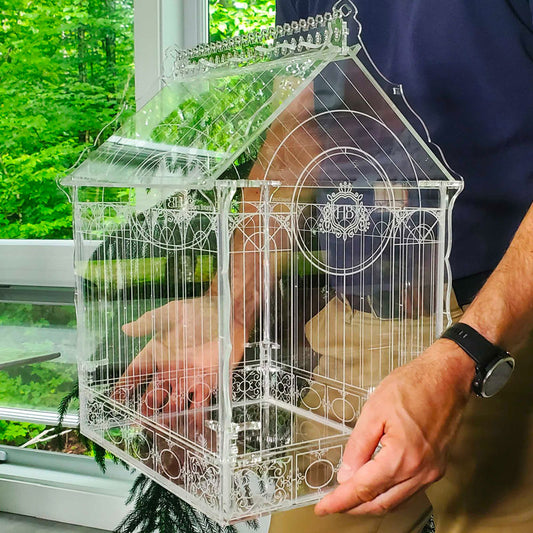
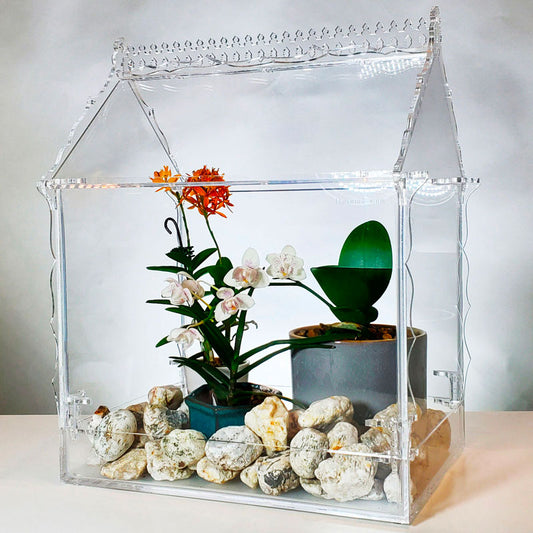
Alongside my personal collection, I design and build terrarium-style mini greenhouses inspired by Wardian cases, created to provide stable and controlled environments for orchids that benefit from higher humidity and consistency.
If you have questions about cultivation or growing setups, feel free to reach out. I’m always happy to exchange and help fellow growers refine their approach.
References
-
Kew – Plants of the World Online (POWO): accepted name, distribution and taxonomic details for Calanthe vestita.
-
Calanthe vestita – Internet Orchid Species Photo Encyclopedia (IOSPE): description, habit and culture notes.
-
Wikipedia – Calanthe vestita: overview of species range, taxonomy and synonyms.
Conclusion
Calanthe vestita is an orchid that rewards respect for time and seasons. It doesn’t respond to constant attention or year-round care, but to a clear cycle of growth, rest, and renewal.
What I appreciate most about this species is its calm reliability. Once its rhythm is understood, it becomes generous and predictable, offering elegant blooms without excess or complication. It’s an orchid that feels grounded, both literally and figuratively, and one that fits beautifully into a collection where observation matters more than intervention.
Grown with patience and restraint, Calanthe vestita quietly reminds me that some of the most satisfying orchids are those that follow their own pace, and invite us to slow down with them.